Heavy drinking also has been linked to intentional injuries, such as suicide, as well as accidental injury and death. Health, safety and socioeconomic problems attributable to alcohol can be reduced when governments formulate and implement appropriate policies. Alcohol consumption by an expectant mother may cause fetal alcohol syndrome (FAS) and pre-term birth complications. Samples from over 6,000 students were included in the genetic analysis. In addition, around 50% were white, 19% Black, 16% Asian, and 6% Hispanic/Latino.
The first two are considered negative drinking motives and relate to winding down—using alcohol to “deal with it,” whatever “it” is for you. The latter two are referred to as positive drinking motives and relate to winding up—using alcohol for fun. It’s very important to address both alcohol misuse and depression simultaneously when looking into treatment options, as these conditions are closely intertwined and can Alcoholism Statistics exacerbate each other, Kennedy explains. Alcohol use disorders may be mild, moderate, or severe, depending on the combination of symptoms you’re experiencing, but drinking problems can exist regardless of a clinical diagnosis. Alcohol use disorder can cause serious and lasting damage to your liver. When you drink too much, your liver has a harder time filtering the alcohol and other toxins from your bloodstream.
ASU researcher’s microscale tech is chipping away at cancer, organ failure and neurological disease
The Centers for Disease Control and Prevention has found that 9 out of 10 adult binge drinkers don’t have a severe alcohol use disorder, but that doesn’t mean alcohol isn’t a problem for them. Drinking to cope with depression, no matter if you have an alcohol use disorder, is concerning. If you’re battling depression, alcohol isn’t going to make you feel better. It may temporarily suppress feelings of isolation, anxiety, or sadness, but that won’t last. Recognizing the symptoms of depression and alcohol use disorder can help ensure that you get the right diagnosis and treatment.
A huge body of research on the psychosocial origins of alcohol use has found that various behaviors entail alcohol consumption. With the change country feature, it is possible to view the same data for other countries. Sweden, for example, increased the share of wine consumption and, therefore, reduced the share of spirits. By default, the data for France https://ecosoberhouse.com/ is shown – in recent decades, here, the share of beer consumption increased to make up around a fifth of alcohol consumption in France. Global trends on alcohol abstinence show a mirror image of drinking prevalence data. This is shown in the charts as the share of adults who had not drunk in the prior year and those who have never drunk alcohol.
The 4 Main Reasons Why We Drink
When treating depression and substance abuse, consult with a mental health professional and/or an addiction specialist who can provide resources and recommendations for possible treatment options. Alcohol abuse and dependence are both considered an alcohol use disorder, with studies finding that alcohol dependence is more closely tied to the persistence of depressive disorders. Many studies have found that alcohol dependence is closely linked to depression. When it comes to diagnosing an alcohol use disorder and a major depressive disorder, it’s important to address them simultaneously, as they can significantly impact your recovery. The comparison of this map with the previous maps makes clear that heavy drinking is not necessarily most common in the same countries where alcohol consumption is most common.
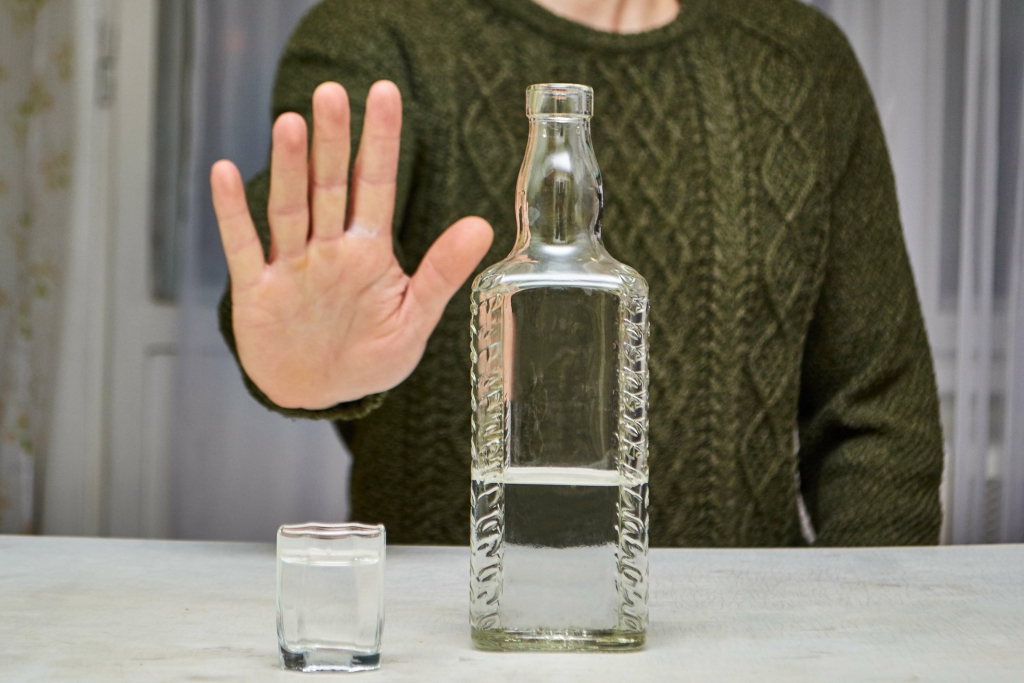
Though depression is experienced by many, it can often go undiagnosed and untreated. You don’t have to battle the depression alone and relying on alcohol to make you feel better will only cause further pain. Reach out to a mental health professional to talk about treatment and strategies for dealing with depression. However, alleviating depression does not resolve the alcohol use disorder. In some cases, you may receive a dual diagnosis of a major depressive disorder (MDD) and an alcohol use disorder (AUD). This co-occurring disorder isn’t uncommon, but it can be difficult to treat.